
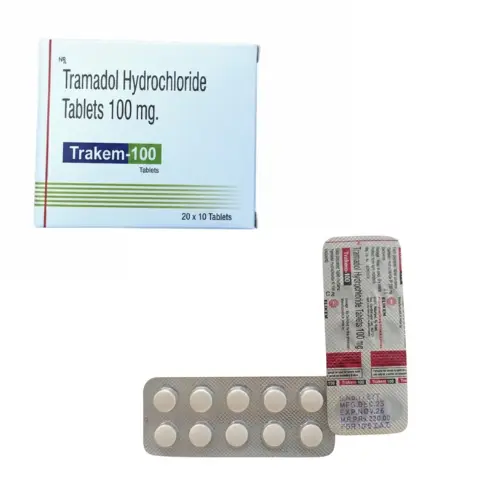
Tramadol – Uses, Safety and FAQs
Educational information about Tramadol, its role in pain management, safety awareness, and questions patients often discuss with healthcare professionals.
What Is Tramadol
Tramadol is a prescription medicine that doctors may consider for the management of certain types of pain. It is generally evaluated when basic pain relief methods have not provided sufficient improvement or when supervised medical support is required.
Our goal is to make health decisions clearer, safer, and easier to discuss with a doctor.
Key Points Patients Should Know
- Considered for moderate to moderately severe pain
- Available in different formulations based on clinical need
- Requires regular medical supervision
- Not intended for self-treatment
These points help patients understand why Tramadol should be used only under professional guidance.
How Tramadol Works
Tramadol influences specific pathways involved in the perception of pain. Doctors may consider it when they believe a patient needs targeted support beyond over-the-counter options. The overall effect can vary from person to person.
Because it affects the nervous system, Tramadol should always be used responsibly and with appropriate medical monitoring.
Why Doctors Consider Tramadol
- Daily activities are affected by pain
- First-line pain relief options have not been effective
- Short-term prescription support is clinically appropriate
- The patient’s medical history allows for safe use
Doctors typically assess multiple factors, including health history, lifestyle, and the underlying cause of pain.
Conditions for Which Tramadol May Be Considered
- Post-injury pain
- Pain following medical procedures
- Certain chronic pain conditions
- Musculoskeletal pain requiring supervised treatment
Suitability depends entirely on medical evaluation. Patients should never self-diagnose or self-treat.
Important Safety Awareness
- Avoid alcohol or sedative substances
- Inform your doctor about breathing issues, liver conditions, or seizure history
- Store securely and out of reach of children
- Never share the medicine with anyone
Safety is a key factor in all prescription pain management plans.
Possible Side Effects You May Discuss With Your Doctor
- Nausea
- Drowsiness
- Dizziness
- Constipation
- Headache
If any unusual or severe symptoms occur, contact your healthcare provider immediately.
What to Discuss With Your Doctor
- Nature and severity of pain
- All medicines, supplements, or herbal products you use
- Any history of neurological, respiratory, or liver conditions
- Sleep habits and work schedule
- Previous reactions to pain medicines
- Any concerns about long-term use
Clear communication supports safer treatment decisions.
Frequently Asked Questions
Q1. When do doctors consider Tramadol?
Doctors may consider it when pain is significant and after reviewing the patient’s medical profile.
Q2. Can Tramadol be purchased online?
Only through licensed and regulated pharmacies.
Q3. Is it safe to combine Tramadol with other medicines?
Patients must inform their doctor about all current medications. Only a healthcare professional can assess safety.
Q4. What should I do if I miss a dose?
Follow the guidance provided by your doctor or pharmacist.
Q5. Can I drive while taking Tramadol?
Some individuals may experience drowsiness. Discuss this with your healthcare provider.


Reviews
There are no reviews yet